
Selected work

Illustrative campaigns — how we read the spread

The stories below are anonymised examples of problems we have seen and how we approached them. They are not case studies with named clients, logos or quoted testimonials. Past work does not predict future performance; outcomes depend on budget, offer, product, market, competition and auction dynamics. We make no guarantees of leads, rankings, reach or return on ad spend.

Campaign review session at AudienceRipple studio
Audience definition workshop for a Tanjong Pagar healthcare campaign

F-01 Define · Tanjong Pagar healthcare

A neighbourhood clinic treating a population as an audience

A multi-specialty clinic near Tanjong Pagar had been running Google Ads with targeting set to everyone in Singapore aged 25–54. That is a census with a budget attached, not an audience. Enquiries arrived, but cost per appointment stayed high and the front desk reported that many callers were asking about services the clinic did not offer.

We redefined the drop point around appointment-intent search terms — condition names, symptom language and location modifiers that suggested someone was ready to book, not browse. The landing page was rebuilt to name the condition and the consultation process before the clinic brand. The enquiry form stopped asking for NRIC before the symptom description. Conversion tracking was tied to a confirmed appointment event in the booking system, not a form submit alone.

After sixty days in the first ring, cost per confirmed appointment moved in a direction the client could audit — illustrative improvement only, not a promise for your account. We widened budget only on the search themes whose enquiry-to-appointment rate held. The lesson was definitional: until you know who the message is for, every other optimisation is decoration.


Paid media account review for a B2B software campaign at the studio

F-02 Place · F-03 Read · B2B software

A software firm that widened before the message was read

A Singapore-headquartered B2B software company had three LinkedIn campaigns live within a fortnight, each targeting a broad job-title band. Week two brought a budget increase and audience expansion because early impressions looked healthy. Nobody had finished reading which segment was actually generating qualified enquiries.

We paused the widening, held three narrow segments — operations leaders at mid-market logistics firms, finance directors at regional retailers, and IT managers at professional services organisations — and let conversion tracking run for a full billing cycle. Each segment had its own landing page headline tied to a distinct pain point, not a generic product tour.

The read showed that one segment carried a materially lower cost per qualified enquiry than the others; the remaining two were generating form fills that sales marked as unqualified. We widened spend only on the segment whose cost per enquiry held under the client’s target. Figures cited in the monthly report were illustrative and account-specific — not benchmarks we guarantee elsewhere. The firm kept the discipline of reading before widening on subsequent launches.

F-03 Read · E-commerce

An online brand and the week-two widening trap

A direct-to-consumer e-commerce brand selling home goods had a Meta Ads account with twelve ad sets and a retargeting pool that included anyone who had visited the site in the last 180 days. Week two brought a recommendation from a previous agency to “scale what is working” — but nothing had been isolated enough to know what was working.

We collapsed the structure to four ad sets aligned to four product-intent segments: first-time buyers searching for a specific category, gift buyers with a seasonal deadline, repeat purchasers eligible for a replenishment offer, and cart abandoners within a seven-day window. Each had creative that named the use case, not the brand slogan. We read add-to-cart rate, purchase rate and return-on-ad-spend by segment for thirty days before touching budget.

Two segments held; two did not. We widened only where the reading supported it and paused the rest. The brand’s team learned that spread without a read is just spend with momentum — illustrative results only, dependent on product margin, seasonality and platform auction conditions.

E-commerce landing page and segment review on screen at the studio
Message testing proofs for a professional services positioning campaign

F-01 Define · F-02 Place · Professional services

A services firm whose message answered a different question

A corporate advisory and compliance services firm had won internal approval for a headline emphasising their decades of experience and regional footprint. The Google Ads copy mirrored it. The landing page opened with a timeline of office openings. Conversion tracking counted every contact-form submission as a lead, including newsletter sign-ups and job applications routed through the same form.

Search term reports showed that enquirers were typing problem language — regulatory deadline, audit preparation, cross-border entity structure — while the ads and page answered credential language. We reframed the message around the question the searcher was actually asking, built separate entry points for two service lines, and split conversion events so the CRM received only commercial enquiries.

The naming problem was not cosmetic: the ad promise and the page answer were different questions. Once they aligned, the firm could read which service line deserved the next ring of budget. We report what happened; we do not guarantee that your firm would see the same pattern.

How we report

Reading the spread in language you can audit

Every engagement ends each month with a report tied to the signed scope: audience definitions, message variants tested, spend by segment, conversion events as configured in your analytics, and a recommendation to hold, pause or widen. We do not inflate metrics with duplicate events or conflated goals. AI tools assist with draft analysis; a human strategist owns the account structure and the recommendation.

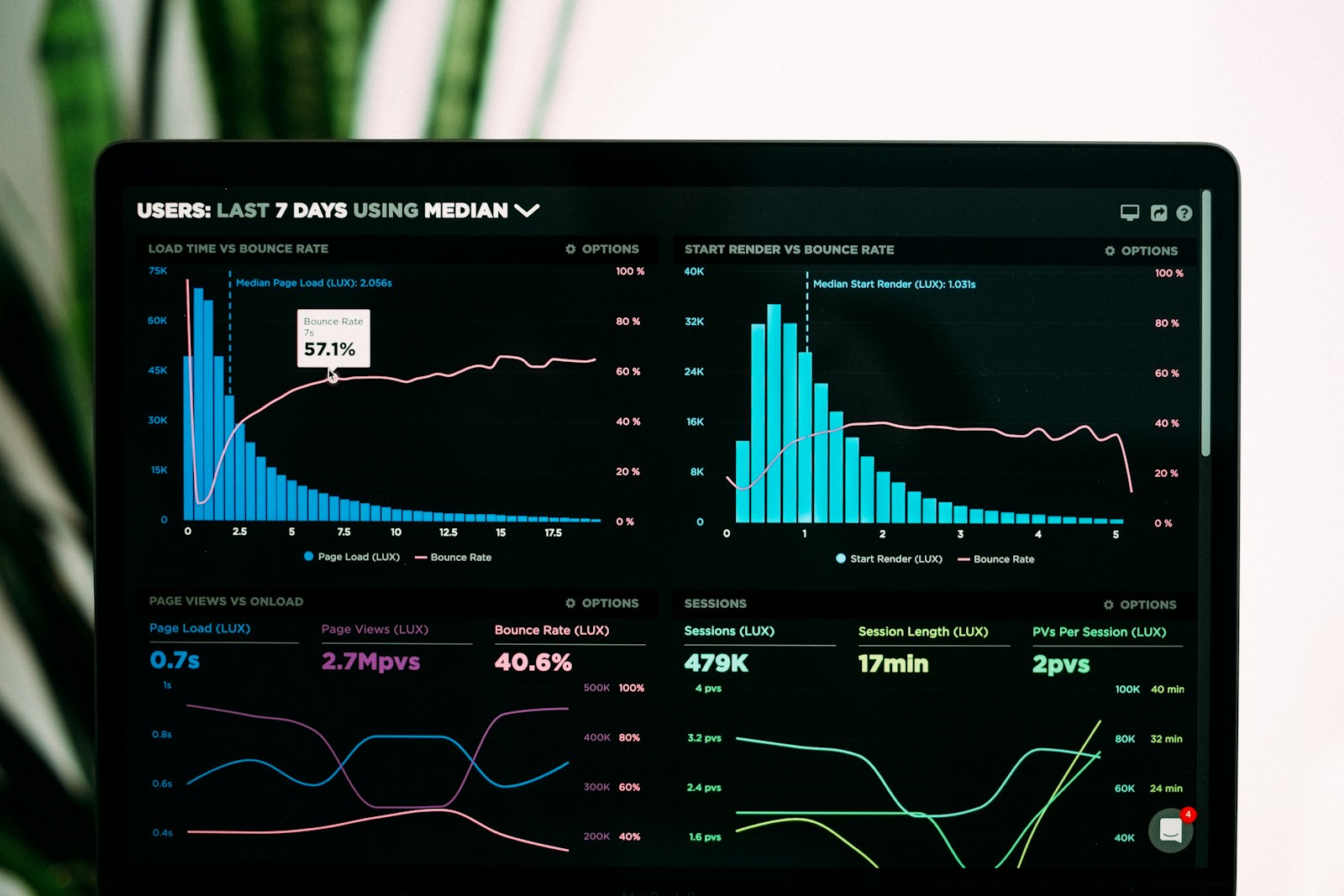
Reporting dashboard on a studio monitor showing segment-level campaign metrics and conversion events

Important note

Illustrative examples only

Nothing on this page is a testimonial, endorsement or performance guarantee. We do not display client logos, fabricated statistics or invented brand names. The campaigns described are composite, anonymised illustrations of approaches we use — define the audience, place the message, read the second ring, widen only where the reading holds. Your outcomes will depend on your budget, offer, product, market, competition and how quickly your team can act on the reading. If you would like to discuss whether our method fits your situation, start with a discovery call.

Book an audience review See our services

Client and strategist reviewing an illustrative campaign read-out at the studio

Tell us who you are trying to reach

Share what you have already placed and who you think the audience is. We will reply within one business day with honest next steps — not a guaranteed outcome.

Contact the studio